In today’s dynamic digital landscape, influencer marketing has emerged as a cornerstone strategy for brands aiming to boost awareness, drive engagement, and significantly increase sales.
But what exactly does it take to craft and execute a truly successful influencer marketing campaign that propels your brand forward on social media?
This in-depth guide will demystify influencer marketing, explore its profound benefits, and arm you with the fundamental knowledge needed to launch impactful campaigns. Ready to dive in and unlock the power of influence?
What is Influencer Marketing?
With the exponential growth of social media, certain users have cultivated significant trust and authority, establishing themselves as opinion leaders, experts, and trusted voices within their niches. Audiences genuinely value their recommendations, with many customers trusting product suggestions from influencers.

Brands strategically partner with these influencers to promote their products and services to highly engaged, niche audiences. Notably, Instagram remains the leading platform for influencer collaborations.
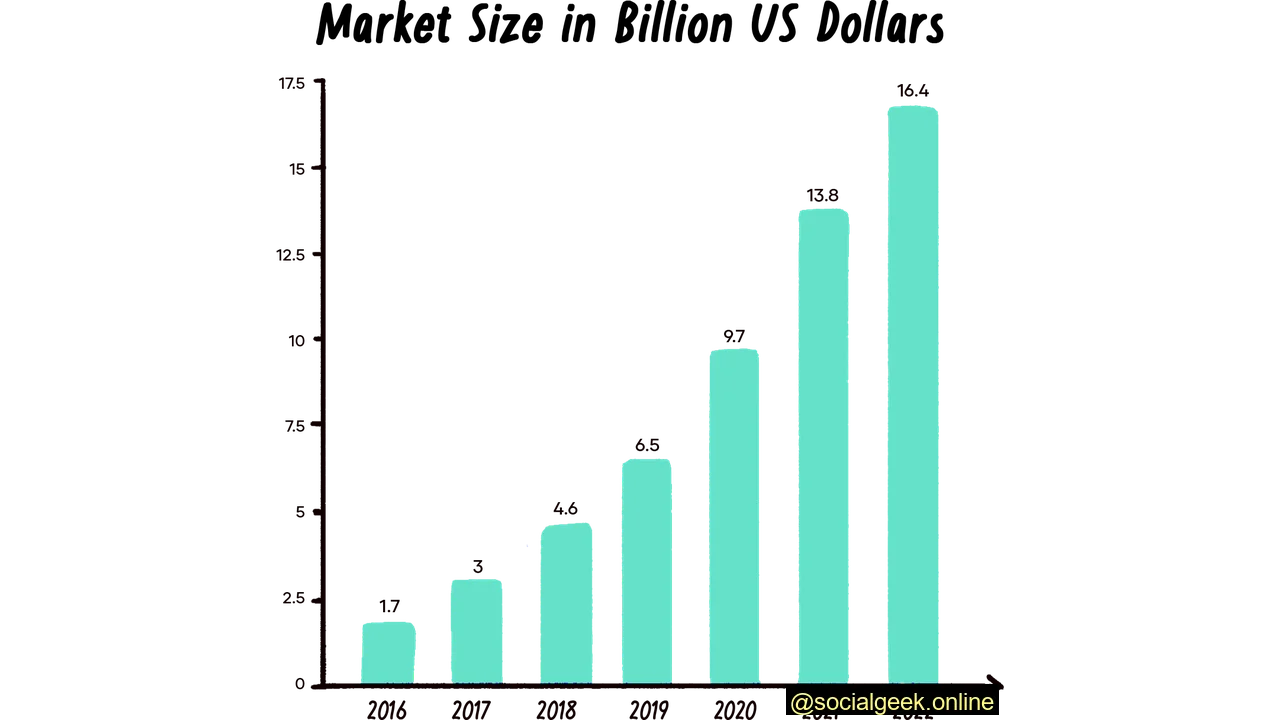
For those who question its efficacy, the rapid growth of the industry speaks volumes. The influencer marketing sector has experienced phenomenal expansion, climbing from $1.7 billion in 2016 to an impressive $16.4 billion today.
Influencers possess a unique ability to weave brands into their content organically, ensuring posts resonate as authentic recommendations rather than overt advertisements. Selecting the right influencers within a relevant niche is crucial for optimal campaign performance.
Types of Social Media Influencers
The choice of influencer type can significantly impact your campaign’s effectiveness. Influencers are typically categorized by their follower count, with each tier best suited for different campaign objectives.
Strategic selection is vital, aligning the influencer’s reach and engagement with your campaign goals and Key Performance Indicators (KPIs).
Nano & Micro Influencers
Nano-influencers manage audiences up to 10,000 followers, while micro-influencers range from 10,000 to 100,000 followers. Despite their smaller audiences, they boast significantly higher engagement rates.
These influencers are ideal for engagement and conversion-focused campaigns. Their deep connection and perceived authenticity with their audience foster an enhanced level of trust, directly increasing the likelihood of conversion.
Macro & Mega Influencers
Macro-influencers have audiences between 100,000 and 1 million followers, and mega-influencers command followings exceeding 1 million. They offer broader reach but generally exhibit lower engagement rates compared to their smaller counterparts.
These influencers are best suited for awareness campaigns due to their vast post reach. However, their larger audiences tend to have a less intimate connection with the content creator.
The Importance of User-Generated Content (UGC)
User-generated content (UGC) refers to any content created by customers and subsequently shared on a brand’s social media channels.
This type of content is perceived as 2.4 times more authentic than content produced by brands themselves. It plays a pivotal role in boosting engagement, fostering customer loyalty, driving conversions, and enhancing overall brand sentiment.
Many brands actively collaborate with nano and micro-influencers (often referred to as content creators) specifically to generate more of this valuable, organic content, which they then repurpose across their own platforms.
How Much Does Influencer Marketing Cost?
The cost of influencer marketing varies significantly depending on the type of influencer engaged. Larger influencers typically command monetary compensation, while smaller nano-influencers may be open to gifted collaborations where posting is not always mandatory.
Here are the average rates for a single standard Instagram static post:
- Nano-influencers: From £50
- Micro-influencers: From £250
- Macro-influencers: From £1,500
- Mega-influencers: From £5,000
It’s important to note that these figures are averages and can fluctuate greatly.
Several factors can increase these rates, including:
- The overall size and complexity of the campaign
- The number and type of expected deliverables
- Agency fees (if applicable)
- Permission to use the content for paid advertisements
- Inclusion of Instagram Reels in the main feed
- Pinning collaboration posts to the top of their Instagram profile
Additionally, many agencies charge a commission, typically between 20% and 30% per campaign, which depends on the campaign’s scale and the volume of influencers required.
How to Create an Influencer Marketing Strategy
Whether you’re managing your campaigns in-house or outsourcing, a structured approach is essential for success. Follow these key steps to build an effective influencer marketing strategy:
1. Set Your Goals & KPIs
Clearly define your campaign objective. This will dictate the most suitable type of influencer to achieve optimal results. Crucially, establish the right Key Performance Indicators (KPIs) to effectively track and measure performance throughout the campaign.
2. Know Your Audience
A deep understanding of your target audience is paramount. It will guide your choice of influencer type and niche. Consider who your audience follows, whose recommendations they trust, and what kind of content they actively consume on social media.
3. Follow the Rules
Staying informed about current advertising laws and regulations is critical. Adhering to these guidelines helps avoid potential fines and ensures a smooth, compliant influencer campaign.
4. Understand the Platforms
For superior performance, all content should be optimized for each specific social media platform. Ensure you comprehend the unique requirements and best practices of each platform so you can effectively brief your selected influencers and guide their content creation.
5. Source the Influencers
Select a specific niche and conduct thorough research. We recommend seeking influencers with an engagement rate above 3%. Additionally, scrutinize their content interactions, audience sentiment, content quality, and consistency to verify genuine followers and a relevant audience. We also advocate for the importance of diversity in representation, encompassing race, gender, sexuality, geographical localities, education, and style.
6. Create a Clear Brief
Develop a visual, clear, and straightforward brief for your influencers. It should outline the campaign goal, the brand’s core values, detailed information about the product or service, deadlines, required tags and hashtags, and inspiring content examples.
7. Measure Your Results
Ongoing tracking and measurement are essential for every campaign to monitor performance and make timely adjustments. Consider providing each influencer with a unique custom link to accurately track clicks and sales attributed to their efforts.
Essential Influencer Marketing Tools
To streamline the process of sourcing and managing influencer campaigns, several invaluable tools are available:
-
TikTok Creator Marketplace: This is a free platform provided by TikTok designed to help brands source, filter, and manage in-platform campaigns directly.
-
HypeAuditor: A robust, paid influencer marketing platform that offers advanced capabilities for influencer sourcing, detailed audience analytics, and comprehensive campaign management.
Embracing the Future of Influencer Marketing
The influencer marketing industry continues its impressive upward trajectory year after year, unequivocally demonstrating its effectiveness and widespread adoption by brands worldwide. Its evolution reflects a fundamental shift in how consumers discover and engage with products and services, making it an indispensable component of modern marketing strategies.